
What if that dream of sipping coffee in a sun-drenched retreat turned into a sweltering, unpermitted nightmare because of one missed detail? It is a valid concern for many North Georgia homeowners who worry that a new addition might become too hot in the summer or lead to unexpected fines from the HOA. We know you want to enhance your home with a beautiful, functional space, but the fear of hidden costs and complex 2026 building codes can be overwhelming. That is why a detailed sunroom planning checklist georgia residents can trust is essential for a stress-free experience.
We agree that your home should be a place of relaxation, not a source of construction anxiety. This guide provides a clear, step-by-step roadmap to help you navigate the latest regulations, including the 2024 International Residential Code and Georgia’s specific amendments for this year. You will learn how to select energy-efficient materials designed for our local climate, gain clarity on permit requirements in counties like Forsyth and Hall, and understand the long-term ROI of your project. By the end of this article, you will have the expert knowledge needed to build your sunroom with total confidence.
Key Takeaways
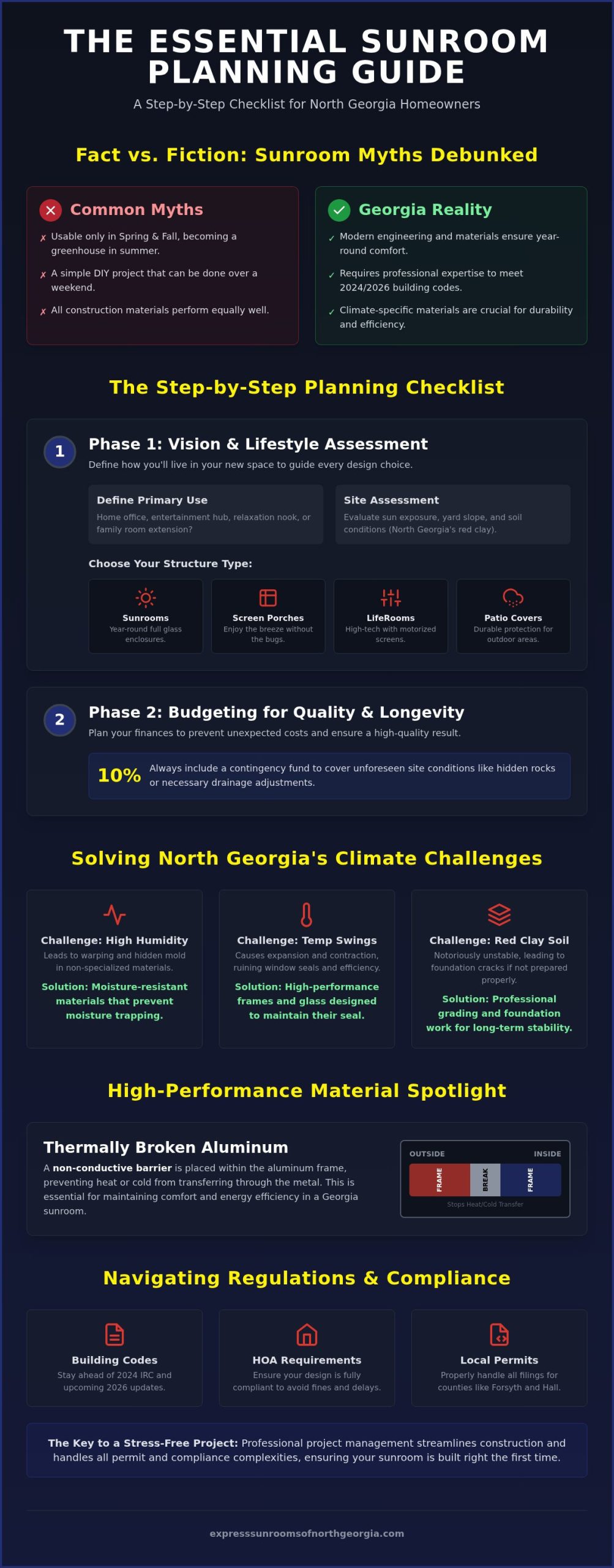
- Debunk common myths about seasonal usability and learn how specific design choices enable year-round comfort despite the intense Georgia heat.
- Follow our detailed sunroom planning checklist georgia to define your room’s primary use and build a budget that covers every technical detail.
- Stay ahead of 2026 building code updates and HOA requirements to ensure your project is fully compliant and avoids expensive legal delays.
- Identify high-performance materials like thermally broken aluminum that provide superior durability and energy efficiency for our North Georgia climate.
- Understand the value of professional project management in streamlining construction and handling all local permits to ensure a stress-free experience.
Common Myths About Adding a Sunroom in North Georgia
Planning a home addition should be an exciting journey, but misinformation often leads to expensive regrets. When you begin your sunroom planning checklist georgia homeowners must first separate fact from fiction to protect their investment. Many people start by asking, What is a Sunroom? while assuming it’s just a simple glass box that any handy person can assemble. This misconception often leads to rooms that are unusable for half the year.
It’s a common fear that sunrooms are only comfortable during the mild weeks of spring and fall. You might worry that the space will become a greenhouse during a brutal Gainesville July or a walk-in freezer in January. While this was true for older structures, modern engineering has changed the game. Another dangerous myth is that adding a sunroom is a simple DIY weekend project. In reality, meeting the 2024 International Residential Code (IRC) updates for 2026 requires precise structural knowledge. Finally, don’t fall for the trap that all materials are essentially the same; choosing the wrong frame or glass can lead to a room that fails long before its time.
Why “Standard” Construction Often Fails in the South
Our high humidity is relentless and unforgiving. Non-specialized materials often warp or trap moisture, which can lead to mold issues hidden deep within the wall cavities. Georgia’s frequent temperature swings cause materials to expand and contract at different rates. This movement often ruins window seals in “standard” builds, causing foggy glass and a total loss of energy efficiency. A glass-heavy room requires specialized engineering to remain comfortable, or your summer utility bills will quickly outpace the joy of the new space.
The “Invisible” Costs of Poor Planning
Cutting corners on site preparation is a recipe for long-term disaster. North Georgia’s famous red clay is notoriously unstable; without professional grading and foundation work, your new room could develop structural cracks within just a few seasons. While “off-the-shelf” windows seem cheaper upfront, they lack the solar heat gain protection found in high-performance glass. A thermal break is a non-conductive material placed within a window frame to prevent heat or cold from transferring through the metal, which is essential for maintaining comfort in a Georgia sunroom. Choosing the right materials during the design phase prevents a “budget” project from becoming a lifelong financial burden. When evaluating your options, it’s also worth exploring low maintenance sunroom options georgia homeowners are choosing in 2026 to reduce long-term upkeep costs.
The Essential Sunroom Planning Checklist: Step-by-Step
Building a sunroom is a significant investment that requires more than just picking a sunny corner of your backyard. To ensure your project remains stress-free and stays on track, following a structured sunroom planning checklist georgia homeowners can rely on is the first step toward success. This methodical approach helps you navigate everything from initial design to the final inspection without missing a beat.
Phase 1: Vision and Lifestyle Assessment
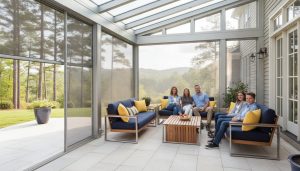
The first stage of your checklist focuses on how you intend to live in the space. Defining the primary use, whether it is a quiet home office, a vibrant entertainment hub, or a simple relaxation nook, dictates every subsequent design choice. You must consider how the room will transition from your existing living area. Will it feel like a seamless extension of your family room, or a distinct retreat? During this phase, you should also determine the ideal size based on your desired furniture and foot traffic patterns. This is the time to decide which structure fits your lifestyle best:
- Express Sunrooms: Full glass enclosures for year-round enjoyment.
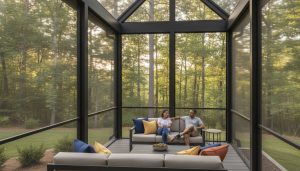
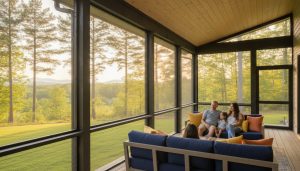
- Screen Porches: Perfect for those who want the breeze without the bugs.
- LifeRooms: High-tech outdoor living spaces with motorized screens.
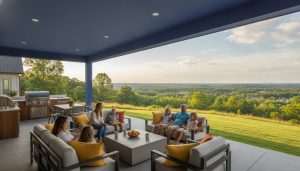
- Patio Covers: Durable protection for your existing outdoor furniture.
A critical but often overlooked step is the site assessment. In North Georgia, our terrain is rarely flat, and our sun is intense. You need to evaluate sun exposure to determine how much cooling power your room will require. Additionally, the slope of your yard and the condition of our local red clay will influence the foundation and drainage requirements for your project.
Phase 2: Budgeting for Quality and Longevity
Establishing a realistic budget is step two on your checklist. We recommend including a 10% contingency fund to cover unforeseen site conditions, such as hidden underground rocks or drainage adjustments. It is important to understand the price differences between a simple screen room and a fully insulated four-season addition. A four-season room requires factoring in dedicated HVAC systems, electrical wiring for lighting and outlets, and durable flooring that can handle temperature fluctuations. If you are looking for inspiration on how to balance these costs with your vision, reviewing our custom Express Sunrooms can provide a helpful starting point.
Finally, your checklist must include a thorough review of local HOA and zoning requirements. As of January 1, 2026, all new construction in Georgia must adhere to the 2024 International Residential Code (IRC) with specific state amendments. Skipping these approvals can lead to expensive fines or the forced removal of the structure. Choosing quality over the “cheapest” quote ensures your room meets these strict codes while providing a space that lasts for decades.
Material and Design Myths: Choosing for the Georgia Climate
Selecting the right materials is perhaps the most technical part of your sunroom planning checklist georgia homeowners must tackle. It’s easy to get swept away by beautiful photos, but the reality of our local climate requires a meticulous approach to material selection. You’ll often hear that vinyl is the only choice for insulation, but that’s a common myth. While vinyl has its place, high-quality aluminum frames featuring thermal breaks provide superior structural strength for large glass spans while effectively preventing heat transfer. This ensures your room doesn’t just look good; it stays durable against the relentless humidity of North Georgia. Understanding which framing and glazing systems qualify as low maintenance sunroom options for Georgia homes can help you make a smarter long-term investment from the start.
Another dangerous misconception is the “Glass Myth,” which suggests all double-pane glass performs the same in direct sunlight. Our North Georgia sun is intense; standard glass will let in heat that forces your AC to work overtime. Choosing the wrong roof design can also be a costly aesthetic mistake. While a studio roof is often more cost-effective, a gable roof provides a vaulted interior that helps heat rise away from your living space, making the room feel larger and cooler simultaneously.
Glass Technology: The Key to Year-Round Comfort
The glass you choose is the primary barrier between you and the Gainesville heat. High-performance glass uses Low-E coatings, which are microscopic metallic layers that reflect infrared light to keep heat out in the summer and in during the winter. We often recommend Argon gas fills between the panes to further enhance insulation levels. For safety and longevity, you should understand the difference between tempered glass, which crumbles into small dull pieces if broken, and laminated glass, which stays intact. Laminated glass is particularly effective at blocking 99% of UV rays, protecting your expensive furniture and flooring from fading over time. If you still want to maintain a bronze glow despite the UV protection, you can find professional-grade home equipment at the Sun Tanning Store.
Matching your sunroom roof to your existing Gainesville home is essential for maintaining curb appeal and property value. You can choose between insulated roof panels, which offer incredible thermal efficiency, or traditional shingle roofs that blend seamlessly with your current architecture. When it comes to the ground beneath your feet, your flooring must handle temperature swings and moisture from our red clay soil. Luxury vinyl plank or treated tile are excellent options because they don’t warp or buckle when the sun hits them. This ensures your sunroom planning checklist georgia project remains focused on long-term value rather than just immediate looks.
Navigating Permits, HOA Rules, and Site Prep in Georgia
Logistics often scare homeowners. It involves more than just picking a design; it requires navigating a maze of local bureaucracy that can stall a project before the first nail is driven. Just as a business might learn more about Tranzit Express Inc. to coordinate their shipping and freight, a homeowner following a sunroom planning checklist georgia must prioritize these administrative hurdles to avoid legal headaches later. In 2026, building departments in Forsyth and Hall counties strictly enforce the 2024 International Residential Code (IRC) and the 2023 National Electrical Code (NEC) with the latest Georgia amendments. These regulations aren’t just red tape; they ensure your new living space is structurally sound and safe for your family.
Our local North Georgia geography adds another layer of complexity. Red clay is notorious for its poor drainage and tendency to expand when saturated. Professional site preparation is vital because it addresses the stability of the ground beneath your addition. It requires precise grading to ensure heavy rainwater flows away from your home’s foundation rather than pooling against it. Without a dedicated drainage plan, a typical Georgia summer downpour can turn your beautiful investment into a flooded patio, leading to expensive repairs and potential mold issues.
If you’re building in Gainesville or the surrounding areas, you’ll need a specific set of documents to secure a permit. This list typically includes a certified plat of survey, detailed structural drawings, and proof of your contractor’s state licensing. Setback requirements are another critical factor that many homeowners overlook. These rules dictate the minimum distance your sunroom must maintain from property lines, which can significantly limit your room’s footprint. A professional contractor should handle all permit filings to ensure every technical detail meets local standards without causing project delays.
Working with Your HOA
Don’t fall for the “HOA Myth” that a sunroom is a temporary structure that doesn’t require formal approval. Most North Georgia communities have established guidelines regarding materials, roof pitches, and even the visibility of the structure from the street. To get approval on your first try, your proposal should include high-resolution renderings and material samples that demonstrate how the addition will blend with your existing architecture. Building without a formal letter of approval is a massive risk; you could face steep daily fines or even a court order for forced removal of the room.
Taking the stress out of these logistical challenges is what we do best. Let the experts at Express Sunrooms of North Georgia handle the heavy lifting of permits and HOA approvals for you.
Why Professional Project Management is Your Best Checklist Item
The final item on your sunroom planning checklist georgia is perhaps the most important: choosing who will actually build it. There is a vast difference between a “guy with a truck” and a professional sunroom company. While an amateur might offer a lower initial quote, they often lack the licensing, insurance, and deep understanding of the 2024 building codes required for a legal addition. This can lead to stalled inspections and hidden costs that far exceed your original budget. A professional firm provides a fixed-price contract, ensuring that the number you agree on is the number you pay, with no surprises halfway through the build.
By partnering with an expert, you ensure your investment adds maximum value to your Gainesville property. We focus on clear communication and meticulous craftsmanship, taking pride in handling the “heavy lifting” so you don’t have to. This level of accountability is what transforms a stressful construction project into an exciting home improvement journey. You deserve a partner who is a visionary guide, helping you see the untapped potential in your backyard while remaining grounded in practical, high-quality execution.
The Express Sunrooms Advantage
Our “Stress-Free” promise is the cornerstone of our business. We handle every aspect of the project, from initial design and permit filings to the final construction and cleanup. We use high-quality materials specifically selected to withstand the intense North Georgia heat and humidity. Whether we are installing Underdeck Systems to reclaim the space beneath your deck or turning an existing patio into a year-round oasis with LifeRooms, our goal is to create a seamless extension of your home. Our specialization in energy-efficient materials ensures that your new space remains comfortable even when the Georgia sun is at its peak.
Next Steps: From Checklist to Construction
Scheduling a local Gainesville consultation is the easiest way to move from the planning phase to reality. During your first design meeting, we’ll walk through your property, discuss your vision, and explain exactly how we can meet your needs while staying within code. It’s a low-pressure environment where your questions are answered by a trusted local expert who understands the unique challenges of building in North Georgia. We take the time to be thorough, reinforcing our commitment to quality over speed.
Ready to stop planning and start building? Schedule your free consultation with Express Sunrooms of North Georgia today!
Start Building Your North Georgia Sanctuary Today
Navigating the technicalities of 2026 building codes and local HOA rules doesn’t have to be a burden. By following a comprehensive sunroom planning checklist georgia homeowners rely on, you’ve already taken the first step toward a successful addition. You now understand how high-performance glass and thermally broken frames protect your comfort during our intense summers. You also know that professional site preparation is the only way to safeguard your home against the unique challenges of our local red clay soil.
We believe every homeowner deserves a stress-free construction experience. Our team provides professional project management for every build, handling the logistical headaches and permits so you can focus on your vision. As a locally owned Gainesville business, we take personal accountability for the quality and energy efficiency of your new space. Don’t let the complexity of home additions hold you back from the lifestyle upgrade you’ve been dreaming of for years.
Contact Express Sunrooms of North Georgia for Your Free Design Consultation and let us help you turn those plans into a beautiful reality. We look forward to helping you create a space where your family can relax for decades to come.
Frequently Asked Questions
Do I need a building permit for a sunroom in North Georgia?
Yes, you definitely need a building permit for a sunroom in North Georgia. Local jurisdictions like Hall and Forsyth counties require these to ensure your addition complies with the 2024 International Residential Code and the latest 2026 Georgia amendments. These regulations cover structural integrity and electrical safety. We take the stress out of this process by handling all permit filings and inspections for you, ensuring your project meets every legal requirement from the start.
How much does a typical sunroom addition cost in Gainesville, GA?
The cost of a sunroom addition in Gainesville depends on several factors like square footage, material quality, and whether you choose a three-season or four-season room. A four-season room requires dedicated HVAC and superior insulation, which impacts the final investment. While costs vary based on your specific site conditions and design choices, we provide a fixed-price contract during your consultation to ensure you have a clear, transparent understanding of the total project scope.
Will a sunroom increase my property taxes in Forsyth County?
Adding a sunroom in Forsyth County will likely increase your property taxes because it adds square footage and value to your home. The local tax assessor typically views a permanent sunroom as a significant improvement to the property’s market value. While this means a slightly higher tax bill, it also reflects the increased equity you’ve built in your home. It’s a wise long-term investment that enhances your lifestyle while building your personal net worth.
Can I convert my existing screened porch into a four-season sunroom?
You can absolutely convert an existing screened porch into a four-season sunroom, provided the existing foundation and framing can support the additional weight of glass and roofing. This is a popular item on a sunroom planning checklist georgia homeowners use to save on initial construction costs. We’ll conduct a thorough structural assessment of your current porch to determine if it meets 2026 building codes before designing your new, climate-controlled living space.
What is the best type of sunroom for the Georgia climate?
A four-season room with high-performance, Low-E glass and thermally broken aluminum frames is the best choice for the Georgia climate. This combination effectively blocks the intense Gainesville heat while retaining warmth during our chilly winter months. Including these materials in your sunroom planning checklist georgia ensures your new space remains comfortable and energy-efficient year-round. It prevents your HVAC system from overworking and protects your interior furnishings from the damaging effects of UV rays.
How long does the sunroom installation process usually take?
The entire sunroom installation process usually takes between eight to twelve weeks from the initial design phase to the final inspection. The construction phase itself often takes only a few weeks, but the pre-construction steps are where the heavy lifting happens. This includes securing HOA approvals, obtaining county permits, and ordering custom-manufactured materials. We manage every step of this timeline to ensure your project stays on track and remains a stress-free experience for you.
Does a sunroom add significant value to my home when I sell it?
A professionally built sunroom adds significant value to your home and is a highly attractive feature for potential buyers in the North Georgia market. Beyond the raw increase in square footage, it provides a unique lifestyle benefit that sets your property apart from others. Many homeowners find that the enjoyment of the space, combined with the boost in curb appeal and marketability, offers an excellent return on investment when it comes time to sell.
What is a LifeRoom and how does it differ from a traditional sunroom?
A LifeRoom is a high-tech outdoor living space that offers more versatility than a traditional sunroom. While a sunroom is a fully enclosed glass structure, a LifeRoom uses sophisticated motorized screens and integrated climate control features like Cool Mist technology. This allows you to transition from an open-air patio to a protected sanctuary at the touch of a button. It’s the perfect solution for homeowners who want to enjoy the outdoors without the bugs or heat.